Can a knocked-out tooth really be saved?

What if my tooth looks fine but feels sore?
What should I put on a chipped tooth until I see the dentist?
Is dental trauma always painful?
First, take a breath.
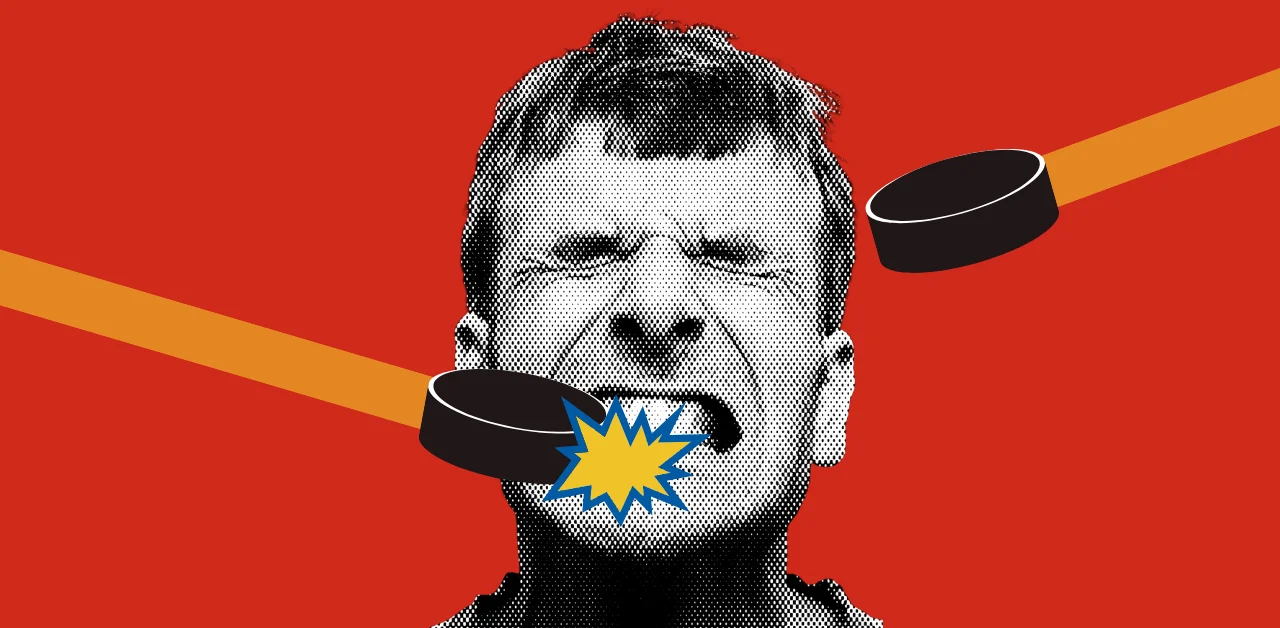
Injuries to your teeth or mouth can be scary. Whether it’s blood, pain, or something suddenly chipped and dangling—dental trauma hits different.
The important thing is not to panic. There are things you can do to save the tooth, reduce pain, and prevent things from getting worse. Timing matters. So let’s get into it.
Dental trauma is basically any injury that affects your teeth, gums, lips, or jaw.
This could be:
Some are obvious. Some are sneaky. And sometimes the real damage hides under the surface. That’s why it’s so important to act quickly and get checked.
You might feel it instantly, or just notice a sharp edge on your tongue. Pain depends on how deep the crack goes.
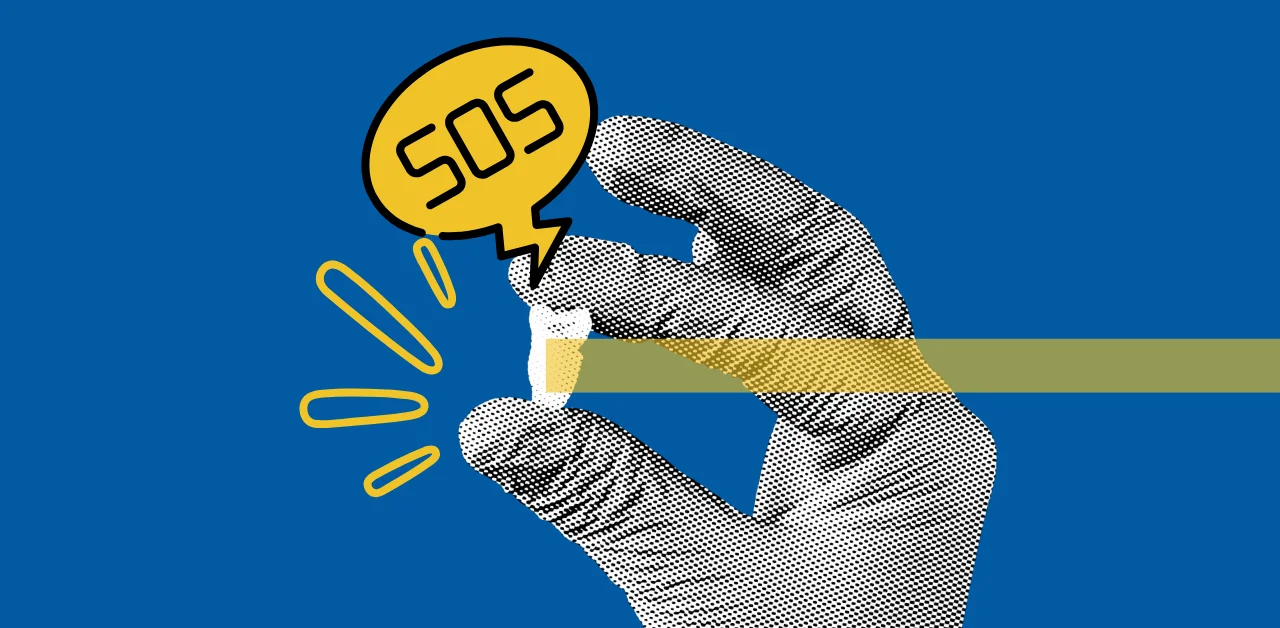
This is a full “oh no” moment. The entire tooth is out of the socket. But if you act fast, there’s a chance to save it.
The tooth didn’t fall out, but it moved. Maybe it’s pushed in, out, or to the side. It still counts as trauma.
The tooth may look okay on the surface but feel loose or sore. Could be a deeper injury. You’ll need an X-ray to confirm.
Cuts or punctures in your gums, lips, or cheeks. These can bleed a lot, but they heal quickly with the right care.
Here’s the bottom line: if there’s pain, bleeding, swelling, or a tooth that’s loose, knocked out, or broken—it’s an emergency.
Even if it doesn’t hurt right away, trauma can cause long-term issues like nerve damage, abscesses, or tooth death. Don’t wait it out. Don’t “see how it feels tomorrow.” Just call.
At Dental at the Met, we offer same-day emergency appointments because these things happen fast and need quick action.
No shame. No panic. Just a team who knows exactly what to do when things go sideways.
If you or your kid just had a dental accident, don’t wait. The sooner we see you, the more we can do to save the tooth and prevent bigger problems.
Call usfor a same-day emergency appointment. We’re right here in the Beltline, ready to help you bounce back—fast.
Tooth trauma sucks. But recovery doesn’t have to.





%20(2400%20x%20274%20px).webp)
