Is it normal for a crown to hurt years later?

How do I know if my crown is infected?
Can I get a cavity under a dental crown?
What does it mean if my crown hurts when I bite down?
Let’s just say it. If you have a capped tooth that hurts, and you’ve been wondering if it’s “normal” or if you’re just being dramatic... you’re not.
Tooth pain under a crown can happen. And there’s usually a reason.
Pain is your body trying to get your attention. It’s not always serious, but it’s also not something to brush off. Literally.
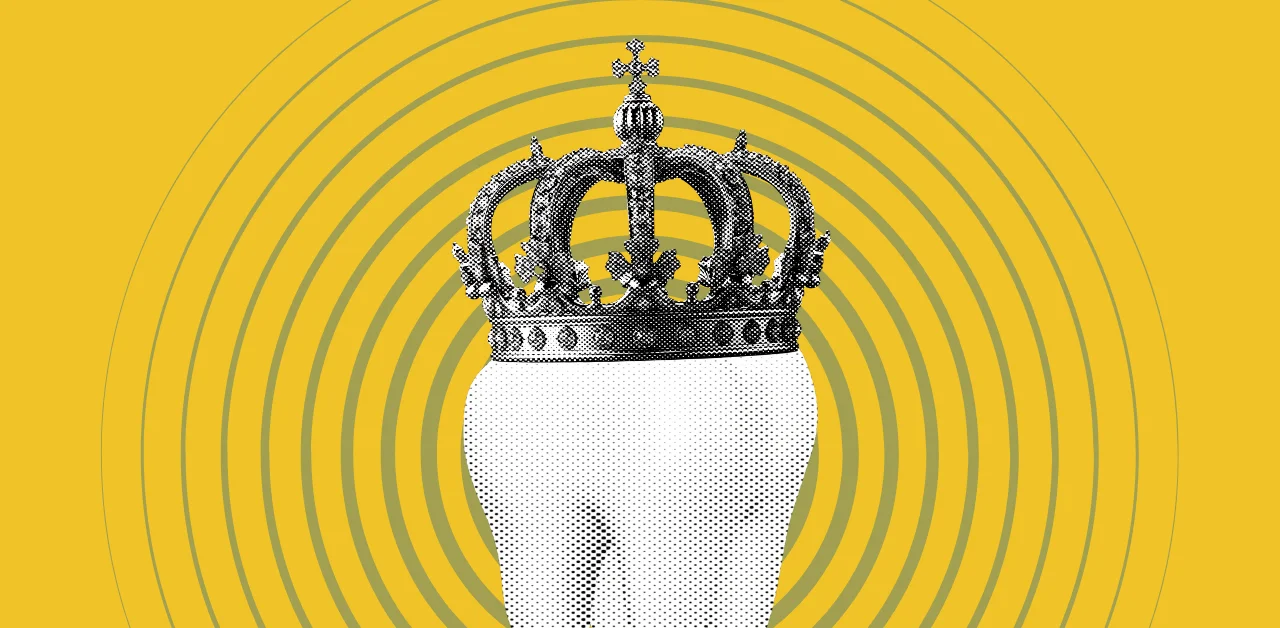
Quick recap (pun intended). A dental crown is like a custom-made helmet that covers a damaged tooth. It protects what’s underneath—usually after a big filling, root canal, or a crack.
It’s meant to make things feel better. Stronger. Less sensitive.
So yeah, if you’ve got pain after getting a crown? That’s frustrating. But it’s also fixable.
If your crown is just a little too high, it can throw off your whole bite. That can cause soreness, jaw tension, even headaches. You may not notice it at first, but your teeth will.
Even if the tooth was treated before the crown, nerves can be sensitive for a while. If your tooth didn’t have a root canal, there could still be a live nerve underneath—and it might be irritated or even infected.
Yup, cavities can happen under a crown. Bacteria love to sneak in if the seal isn’t perfect, or if gum health has changed over time.
The Crown Is Cracked or Loose
Just like your phone screen, crowns can crack. And if they loosen or shift even slightly, that opens the door to bacteria, food getting trapped, and pain.
Bruxism (aka clenching or grinding) puts serious pressure on your teeth—especially crowns. Even if you don’t realize you’re doing it (most people don’t), it can cause pain, sensitivity, and wear.
If the tissue around the crown is swollen or irritated, you’ll feel it. This could be from poor flossing habits (no shame), food getting trapped, or just a reaction to the crown material itself.
Sometimes, the pain feels like it’s coming from your crown, but the actual issue is somewhere else—like a nearby tooth, sinus pressure, or TMJ problems. Your mouth likes to play tricks like that.
If your crown has been bothering you for more than a couple of days—or if the pain is sharp, throbbing, or gets worse when you chew or drink something cold—it’s time to book an appointment.
Especially if you notice:
It’s not about toughing it out. It’s about getting answers and feeling like yourself again.
This part’s short and sweet:
Crowns are strong—but your bite, your habits, and your hygiene all matter.
You shouldn’t have to live with dental pain. Especially not after doing the “right thing” by getting a crown.
If your capped tooth is giving you grief, let’s take a look. We’ll figure out what’s going on, fix it, and make sure you leave feeling better—not confused.
Contact us any time. We’re your friendly Beltline dental crew, and your comfort is always the priority.




%20(2400%20x%20274%20px).webp)
